

How to Know if a Shopify Store Is Using Shopify Plus (2026 Guide)
-
 Sakinur Rahman
- Last Updated :
By purchasing through the links on this page, you are giving us the opportunity to earn a commission.
If you sell Shopify apps, run an agency, or do cold outreach, one question comes up constantly: is this store on Shopify Plus or not?
It matters. A Plus merchant pays at least $2,300 a month for the platform, has a dev team or agency, and can actually use checkout extensions, Shopify Functions and expansion stores. A Basic-plan store usually can't. Pitch the wrong tier and you waste the email.
Why the old tricks don't work anymore
Most guides still tell you to look for checkout.liquid, Shopify Scripts or a Plus header in the page source. All three are dead:
checkout.liquid was retired for the checkout steps in 2024 and for the thank-you and order status pages on August 28, 2025.
Shopify Scripts stopped running on June 30, 2026. Plus stores now use Shopify Functions, which leave nothing obvious in the page source.
Headers like
x-shopify-stage: production_plusare unreliable. In 2024 Shopify hid most front-end Plus indicators on purpose.
And the theme tells you nothing. Brooklinen, a nine-figure Plus brand you'll see below, runs on the free Dawn theme.
The fastest way: check it with ShopScan
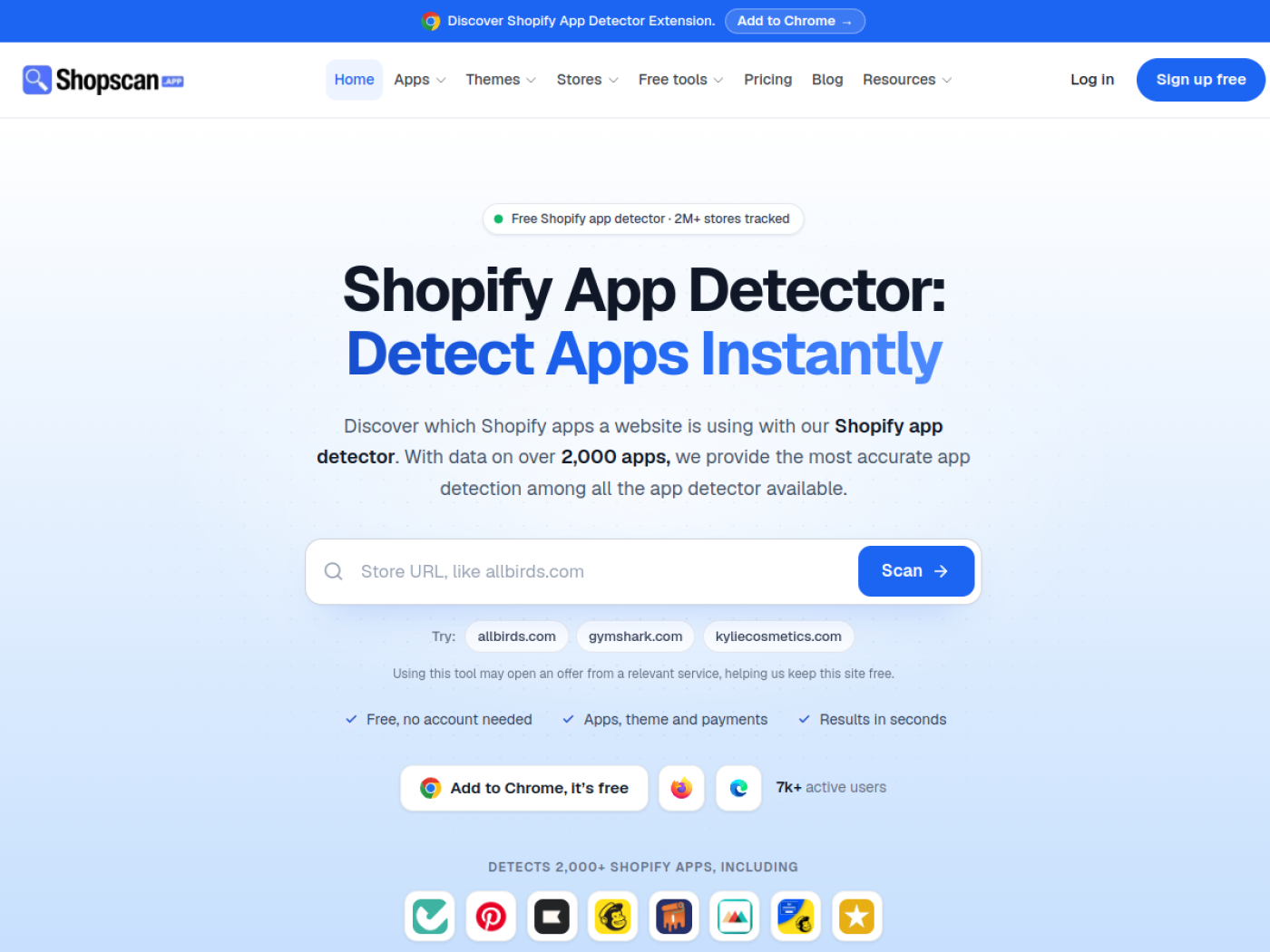
ShopScan is our free Shopify store analyzer. Paste any store URL on the homepage and in a few seconds you get:
Whether the site runs on Shopify
The theme name and version
The apps the store runs, with links to each one
Traffic, sales and catalog estimates
Store country and creation date
Shopify Plus detection is the next thing we're shipping. We're combining the signals below (checkout customization, expansion-store patterns, B2B setup and scale) into one Plus / not-Plus result on the scan page. And like the rest of the core scanner, it will be free. No signup, no credit card.
If you prefer working in the browser, the ShopScan Chrome extension shows the same data while you browse any store.
Try it now: scan a Shopify store and bookmark the page. The Plus badge will appear there as soon as it's live.
Other ways to check manually
Want to verify a store by hand? These are the signals that still work in 2026. Two or more together and you're almost certainly looking at a Plus store.
1. The checkout is customized before payment
This is the strongest signal left. According to Shopify, only Plus stores can customize the information, shipping and payment pages of checkout. Every other plan can brand the checkout and add apps to the thank-you and order status pages, but the steps before payment stay stock.
How to check:
Add something to cart and go to checkout (you don't need to pay).
Look at the information, shipping and payment steps. Do you see custom content blocks, upsell offers, gift-message fields, delivery date pickers, loyalty point redemption, or custom validation messages ("We can't ship this item to PO boxes")?
If yes, it's very likely Plus. If the checkout is the plain Shopify layout with just a logo and colors, it's inconclusive (plenty of Plus stores keep checkout simple).
One trap: customizations on the thank-you page or order status page don't count, because those are open to all plans now.
2. Multiple regional storefronts
Plus includes a main store plus nine expansion stores. Brands use them for separate country stores with their own catalog, currency, language and domain.
How to check:
Look for a country switcher that sends you to a different domain or subdomain (us.brand.com, brand.co.uk, eu.brand.com) instead of just changing currency.
Look at the checkout URL. Gymshark's US store, for example, checks out on its own
us.checkoutsubdomain, separate from its other regional stores.Run each regional domain through a scanner. If they all come back as separate Shopify stores for the same brand, that's an expansion-store setup, and that's a Plus feature.
Single-store brands using Shopify Markets for currency switching are not evidence either way.
3. A native B2B / wholesale portal
Shopify has opened some basic B2B features to lower plans, but the deep version (company accounts with multiple buyers, custom price lists per company, net payment terms, quantity rules, a separate B2B checkout) is still a Plus thing.
How to check: look for a "Wholesale" or "Trade account" link in the footer. If it leads to a login inside the same Shopify store (not a Faire page or a Google Form), and the logged-in experience shows company-specific pricing, the store is almost certainly on Plus.
4. Scale and public footprint
These don't prove anything alone, but they push the odds hard:
Traffic and revenue. Plus pricing starts at $2,300/month on a three-year term. A store doing a few thousand dollars a month is not paying that.
Headless or custom frontends. Stores running Hydrogen or a custom Storefront API frontend are overwhelmingly Plus.
Public proof. Search
"[brand] Shopify Plus". Shopify, agencies and app vendors publish case studies naming Plus clients. Job posts asking for "Shopify Plus experience" are another tell.Enterprise-only partners. Some apps and agencies only work with Plus merchants. If those show up in the stack, it's a strong hint.
5 top Shopify Plus stores (and what they teach you)
Here are five well-known brands that run on Shopify Plus. Sales and traffic figures are third-party estimates, not the brands' own numbers. Click "Analyze this store" next to any of them to see the live data.
1. Gymshark
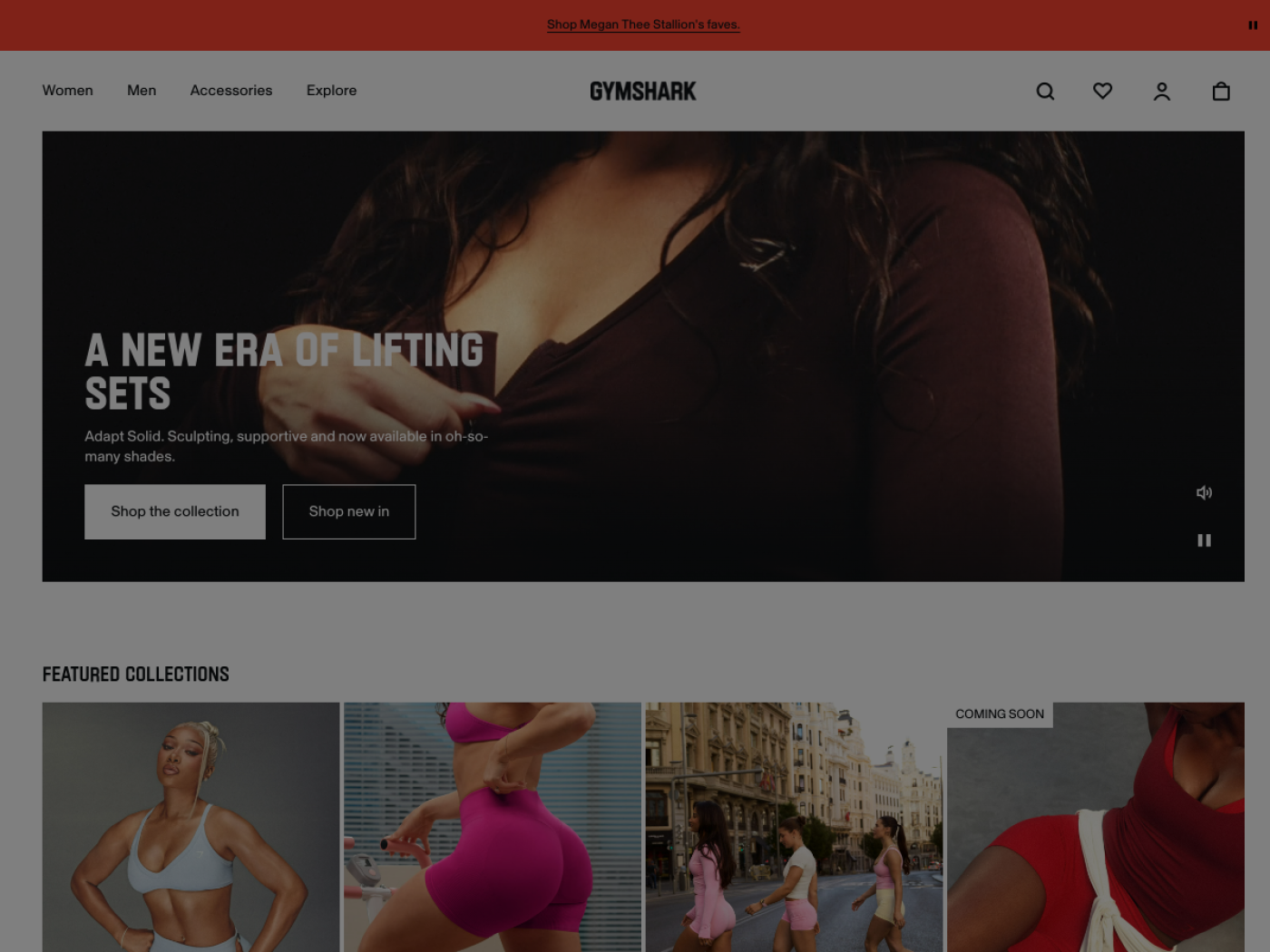
What it is: UK fitness apparel brand, founded by Ben Francis as a teenager, now one of the biggest DTC brands in the world.
Gymshark is the textbook Plus story. It started on Shopify, moved to Magento as it grew, suffered a disastrous Black Friday, and replatformed to Shopify Plus about ten months later. It also used Shopify Scripts to customize checkout logic, such as hiding shipping options by customer location.
Plus signals: separate regional stores (the US store checks out on its own subdomain), a custom theme, and a catalog of over 10,000 product variants on the US store. Estimated US-store traffic is around 1.5 million visits a month.
Lesson: when you see a brand split into country stores, check each one. That pattern is one of the clearest Plus tells left.
2. Allbirds
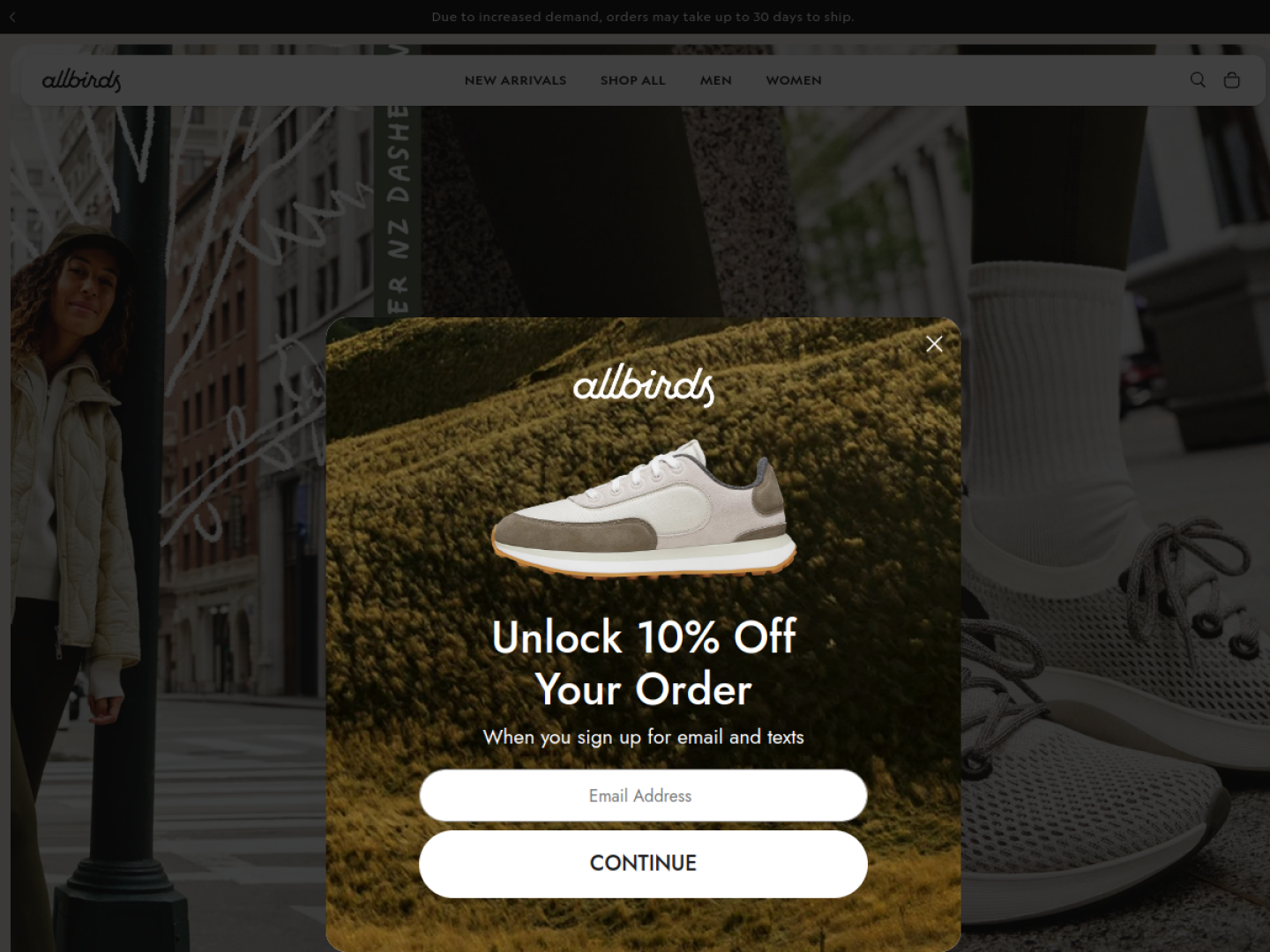
What it is: San Francisco-based sustainable footwear brand known for its wool sneakers, and a publicly traded company.
Allbirds has been on Shopify since 2017 and runs a fully custom theme. The scan shows a serious post-purchase and analytics stack, including Redo for returns, Elevar for server-side tracking and Triple Whale for attribution. That's the kind of tooling you see on brands spending big on paid acquisition.
Plus signals: custom theme, a wholesale/retailers page, a store locator for physical retail, and around 690 products at an average price near $100.
Lesson: a heavy tracking and attribution stack (server-side tracking plus a dedicated attribution tool) is a strong scale signal, even before you look at checkout.
3. Kylie Cosmetics
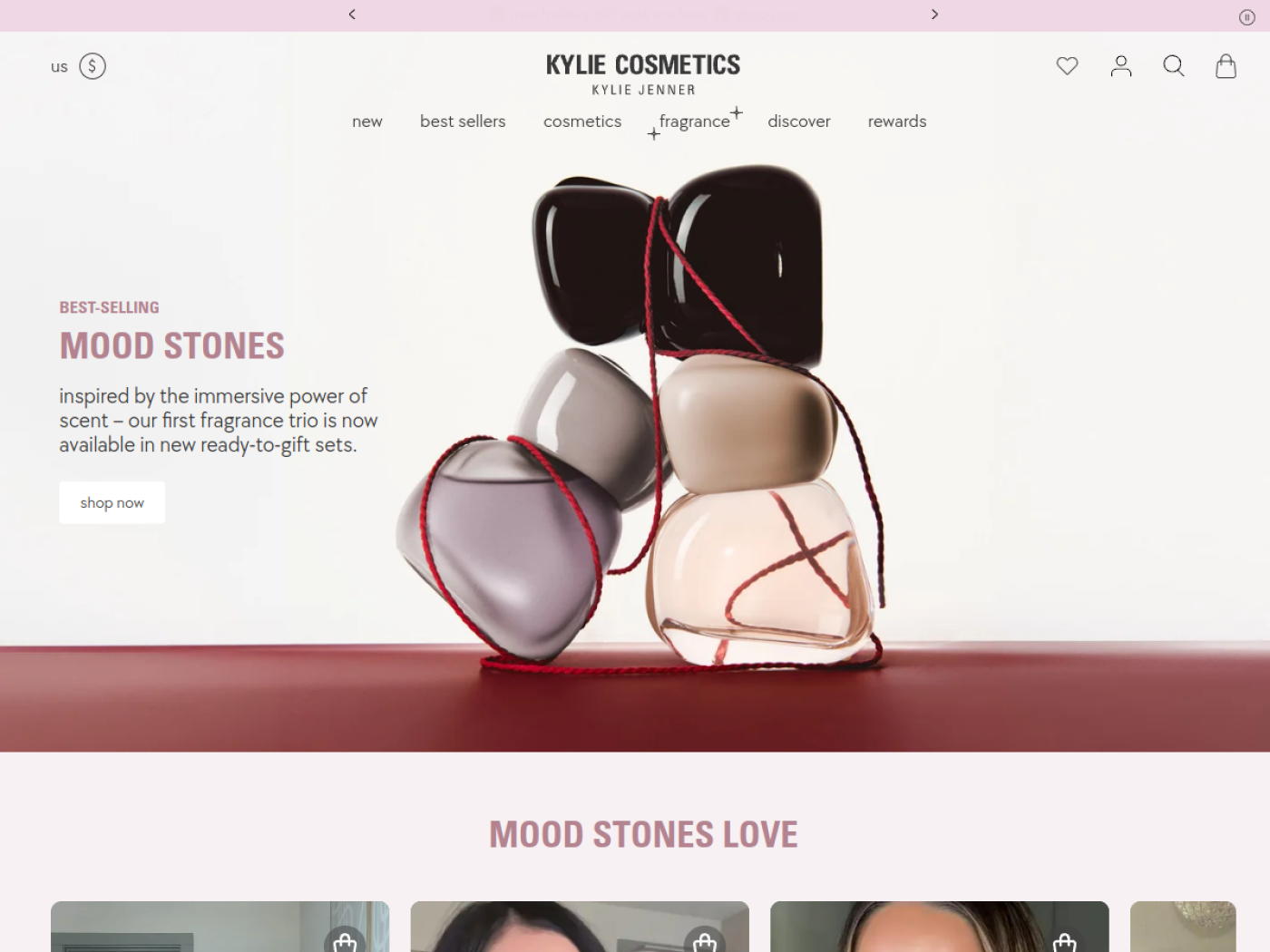
What it is: Kylie Jenner's beauty brand, which started with lip kits in 2015 and became one of the most famous celebrity DTC launches ever.
Celebrity product drops are exactly the traffic spikes Plus was built for. The store runs a custom "kylie" theme, subscriptions through Recharge, and we found Yotpo loyalty, Foursixty shoppable UGC and Nosto search on it.
Plus signals: custom theme, international shipping, subscriptions, and a compact catalog of about 240 products. Average price sits around $41.
Lesson: a small catalog doesn't mean a small store. Drop-driven brands keep SKUs tight and push huge volume through each one.
4. Brooklinen
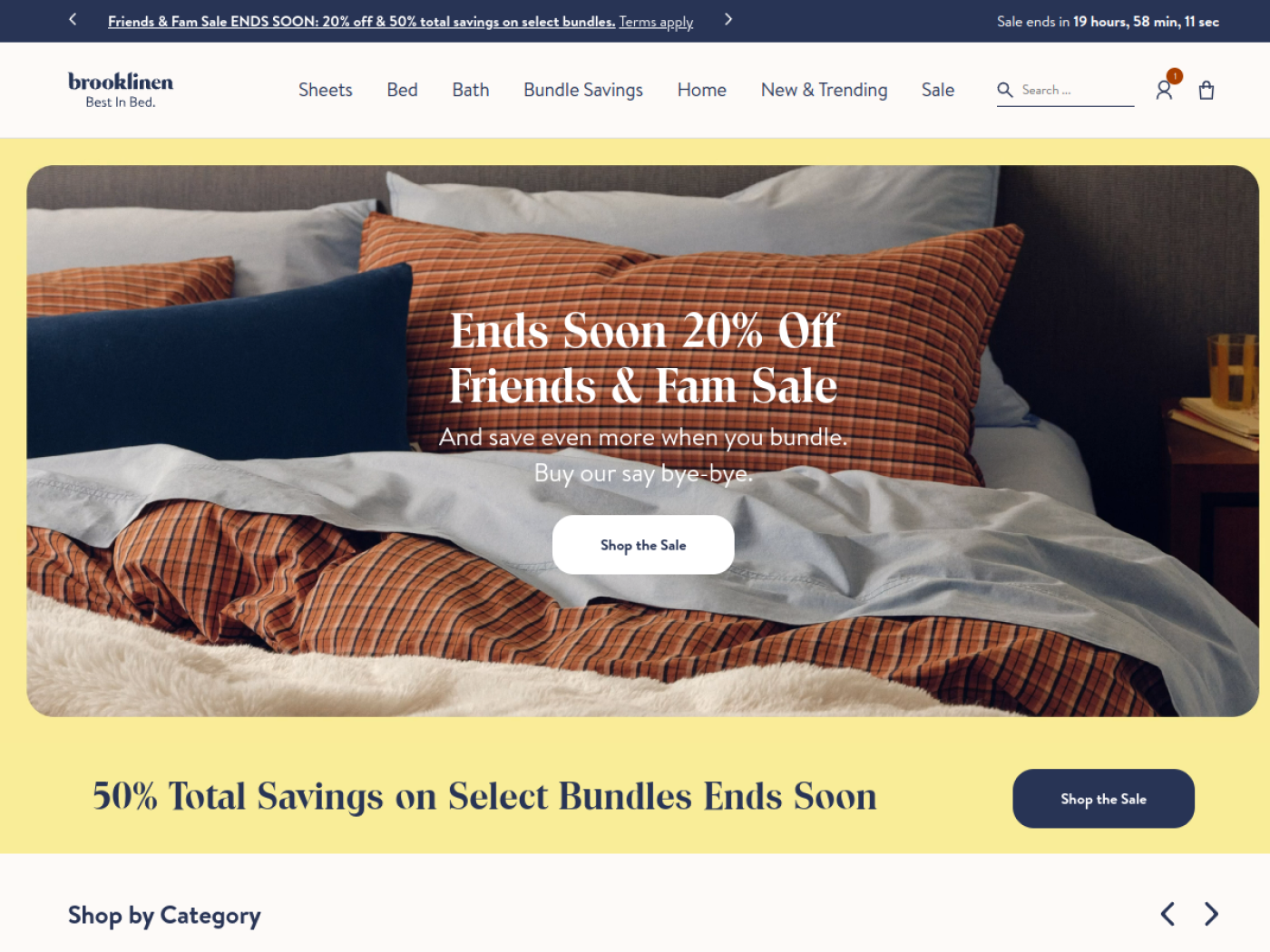
What it is: Brooklyn-based bedding and home brand that started on Kickstarter and grew into one of the best-known DTC home brands in the US.
Here's the surprise: Brooklinen runs on Dawn, Shopify's free theme. That's why I say the theme tells you nothing about the plan. The scan also returned Elevar for conversion tracking and Swym for wishlists.
Plus signals: high average order value (average product price around $266), corporate gifting, warranty and store-locator pages, and estimated traffic near 1.9 million visits a month.
Lesson: never qualify a lead by theme. A big brand on a free theme is still a Plus brand.
5. Ruggable
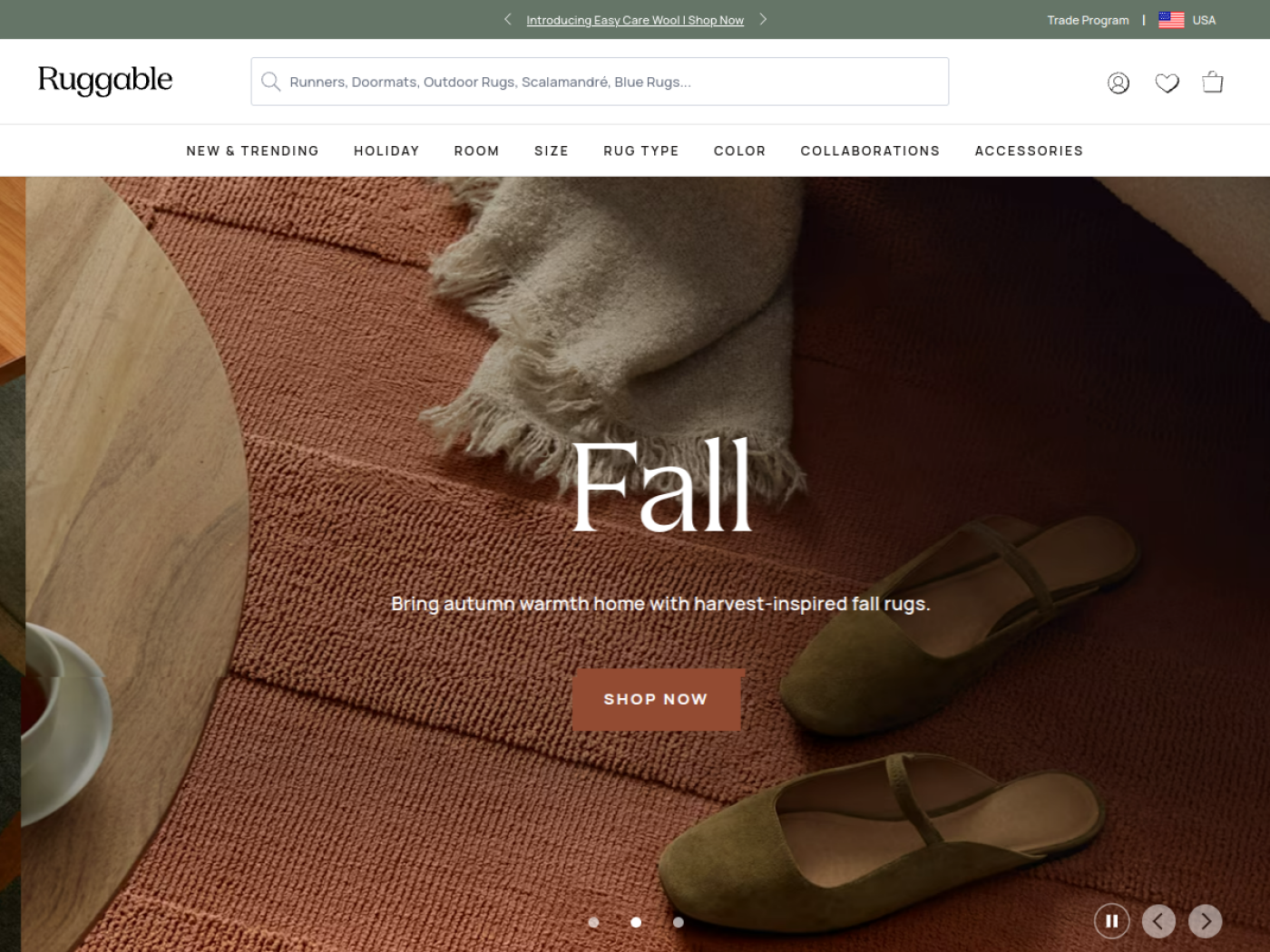
What it is: Los Angeles-based home brand selling machine-washable rugs, built around a two-piece rug pad and cover system.
Ruggable runs a headless storefront with a separate CMS, which means the frontend isn't a normal Shopify theme at all. Shopify still powers the catalog, cart and checkout behind it.
Plus signals: headless setup, about 1,350 products with an average price around $273, and estimated traffic above 4 million visits a month on the US store alone.
Lesson: if a store looks "not Shopify" on the surface but checks out on Shopify, it's very often a headless Plus build.
Why knowing the plan matters
For app developers: Plus merchants can install apps that use checkout extensions on the pre-payment steps and custom Shopify Functions. If your app depends on those, a non-Plus lead literally can't use it.
For agencies and freelancers: Plus brands have budgets for migrations, checkout work and ongoing retainers. Filtering your outreach by plan saves you weeks.
For competitor research: if a rival just moved to Plus, they're probably about to invest in checkout conversion, international stores or wholesale. That's useful to know.
Wrapping up
The days of spotting Plus with one line of source code are over. Today it's about reading the checkout, spotting expansion stores and B2B portals, and weighing scale signals together.
Or let us do it. Paste any store into ShopScan, see its theme, apps and traffic for free right now, and get the Shopify Plus result on the same page as soon as it ships.